Prairieville Animal Hospital: Your Go-To Animal Clinic Near Me for Wellness
In Prairieville, a good animal hospital is less about a flashy lobby and more about the people who know your pet as an individual. Prairieville Animal Hospital earned a reputation the old fashioned way, by showing up for pet owners when it mattered most and by treating every animal with a steady blend of science and empathy. This is a clinic where preventive care is not simply a box to check but a working philosophy that guides decisions day in and day out. When you walk through the door, you’re not just arriving at a place to fix what’s broken; you’re entering a neighborhood partner that understands the rhythm of your pet’s life and the reality of your daily schedule.
The clinic sits amid familiar streets, the kind of place that feels both known and earned. The staff carry a balance of practical know-how and compassionate restraint you come to rely on. They aren’t flashy in the way a national chain can be, but they’ve built a quiet authority through countless conversations with owners who want the best for their animals and the patient, steady guidance that helps them get there. It is this practical steadiness that turns a routine wellness check into a dialogue about what matters most for your family’s furry members.
If you are searching for an animal clinic near me that you can rely on, you want a place that respects your routines, understands the science behind vaccines and behavior, and can walk with you from puppy or kitten milestones to the later years when senior pets demand a little more patience and planning. Prairieville Animal Hospital is that kind of clinic. They know that wellness isn’t a moment in time; it’s an ongoing commitment you keep with regular exams, careful monitoring, and a plan that evolves with your pet’s changing needs.
A practical sense of what wellness means in a community veterinary practice starts at the front desk with the moment you check in. The team greets you with measured warmth, checks in on your pet’s mood, and notes any changes you’ve seen since the last visit. The exam room becomes a turning point where science and lived experience meet. A veterinarian might talk through a vaccination schedule, weigh dietary adjustments against activity patterns, or recommend a dental care plan that protects more than just teeth. The conversation isn’t a lecture; it’s a collaboration. And that collaboration matters when you’re balancing work, family, and a fur-covered member of your household.
This article aims to map the terrain of wellness, preventive care, and everyday veterinary service as it unfolds in Prairieville Animal Hospital. It’s written from a clinician’s eye but grounded in the realities of pet owners who juggle budgets, schedules, and the unpredictable weather that makes life in a rural-tinged suburban setting feel both intimate and practical. If you want a clinic that treats your pet like a family member and treats you as a partner in care, you’ll recognize the same approach in the routines described below.
A steady foundation: how prevention shapes every visit

When you bring a pet to Prairieville Animal Hospital, the first goal is to establish a baseline that helps guide every future decision. The team recognizes that wellness isn’t a single event. It’s a continuous process that includes vaccination protocols aligned with age and lifestyle, parasite prevention tailored to local risks, and a dental plan that protects critical health connections you don’t want to overlook. In practice, this means that a senior cat with controlled chronic conditions receives a different conversational trajectory from a newly adopted puppy whose life is in a constant state of exploration.
Preventive care starts with a thorough physical exam. The veterinarian looks beyond outward appearance and feels for subtle hints of underlying issues. They listen for changes in appetite, energy level, water intake, and behavior. They mention not only what is happening today but what could become a concern if left get more info unmonitored. The exam often includes a basic blood screen or urine testing when indicated, a step that helps catch problems before they become symptomatic. The aim is not to alarm but to illuminate what would be difficult to recognize without a structured approach.
Vaccinations are another pillar of wellness. They are not a one-size-fits-all prescription but a personalized plan that accounts for age, exposure risk, and the likelihood of side effects. A young dog or cat often benefits from a rhythm of boosters that maintains protection while minimizing unnecessary exposure to vaccines. For older pets, the plan may shift toward steady maintenance, accepting that some vaccines might be given less frequently without compromising protection. In each case, the veterinarian explains the rationale in clear terms, so you leave the room with a concrete sense of what is happening and why.
Regular parasite prevention is not just a line item on a bill; it’s a practical safeguard against unseen threats. The doctors discuss heartworms, intestinal parasites, and ticks or fleas in a way that ties the risk to your pet’s environment and routine. They don’t oversell the fear factor, but they do emphasize that consistent preventive care reduces the chance of painful and costly problems later. This is where a clinic earns trust: by translating odds into actionable steps you can integrate into daily life.
Dental health emerges as a recurring theme in wellness conversations. A good dental plan goes beyond fresh breath. It contributes to heart health, kidney function, and overall comfort. Prairieville Animal Hospital helps you picture the long arc: daily brushing, regular dental cleanings, and consistent monitoring for signs of tooth and gum disease. The practical truth is that many pets tolerate dental procedures better when they’re introduced gradually, and the clinic offers guidance for that gradual progression so the experience is less stressful for your animal and for you.
In practice, these preventive elements are not separate silos but a single, coherent approach to health. The team sounds a steady note: keep care predictable, keep visits reasonably spaced, and adjust as your pet ages. Wellness is a continuum, not a box marked complete at the end of adolescence. The value appears most clearly when a routine exam catches something you would have missed at home, something as specific as early kidney changes or a subtle shift in gait that suggests orthopedic wear. Those are the moments that validate the whole philosophy of preventive care and the kind of careful listening that underpins every appointment.
What a typical wellness visit can look like in real time
You walk in with a leash or a carrier that feels familiar, and you’re greeted by name. The receptionist confirms the appointment and asks a few practical questions about recent changes. The exam room is well lit, not sterile in a way that feels cold but with the right amount of clinical assurance. The veterinarian spends a few minutes with you and your pet before opening the medical record. They ask about changes in appetite, water consumption, litter box habits, or energy level. It’s not a rapid fire; it’s a conversation that slows enough to notice small details that add up over time.
The physical examination follows a predictable but adaptable sequence: coat and skin, ears, eyes, mouth, teeth, throat, heart and lungs, abdomen, joints, and overall energy. The vet notes anything unusual and uses this as a starting point for questions. If the pet is anxious, the clinician may share gentle strategies to ease the experience or suggest a short visit to acclimate before a full exam. If necessary, they propose targeted tests to investigate the most probable concerns without spiraling into unnecessary procedures or expenses.
If vaccines are due, the veterinarian explains which vaccines are recommended, the timing, and any potential reactions to watch for at home. They discuss the risk-benefit profile with sensitivity to your pet’s temperament and your household’s exposure to disease. If preventive medications are on the horizon—such as flea, tick, and heartworm preventives—the discussion includes administration methods, monthly reminders, and cost considerations. It’s a grounded” here-and-now conversation that also points toward the next checkup.
At the end of the appointment, you receive clear takeaways. You know which symptoms would require a follow-up call, which medications to administer, and when to schedule the next preventive care visit. The clinician hands you a concise plan in plain language, sometimes supplemented by a printed summary in your pet’s chart. There’s no arrogance, only a sense that this is a shared project with measurable, practical steps.
Preventive care extended: a philosophy in practice
The clinic’s approach to preventive care extends beyond the walls of the examination room. Regular reminders, client education, and accessible resources help owners translate clinical advice into daily routines. For example, a two-minute daily dental routine is far more powerful than a yearly cleaning done in isolation. The team may offer demonstrations to show you how to brush effectively or recommend dental treats that promote healthy gums without overwhelming your pet with a regimented schedule. They understand the constraints of modern life, so they present options that fit real households with working parents, single pet guardians, and multi-pet families.
In some cases, the clinic constructs a preventive plan that covers not just medical care but environmental considerations as well. If your pet spends time outdoors, you might receive guidance on grooming, coat care, and skin protection. If your household includes very young children or other pets, there are practical steps to reduce stress and prevent cross-species exposure to infectious agents. The underlying theme remains constant: prevention is easier, cheaper, and more humane than curing problems after they arise. That principle guides every conversation about vaccines, parasite control, nutrition, and lifestyle adjustments.
What sets Prairieville Animal Hospital apart in preventive care is not novelty but consistency. The clinicians emphasize steady, incremental improvements rather than dramatic transformations that feel unsustainable. They measure progress with realistic milestones, such as a pet’s weight trend over several months, changes in activity levels, or improved dental scores after a cleaning and home care routine. It’s a slow, patient art rather than a one-off medical intervention. If you have ever felt overwhelmed by the array of products and recommendations, you will find the team’s approach refreshing. They narrow the field to what is scientifically sound and practically feasible for your situation.
A closer look at the services that support everyday wellness
The clinic offers a spectrum of services designed to support pet health across life stages. You may come for a quick vaccination and end up having a longer conversation about a chronic condition you had not previously linked to your pet’s early life experiences. The staff’s strength lies in their ability to connect the dots between a single visit and a long trajectory of health.
Boarding and day care present a practical extension of wellness for owners who travel or work long hours. A well-run boarding program does more than offer a safe space; it preserves routine, reduces stress, and minimizes the disruption to a pet’s sense of security. The team uses familiar feeding schedules, maintains familiar bedding setups, and under careful supervision, ensures that exercise and socialization remain consistent with the pet’s regular life at home. For many guardians, this continuity is as essential as vaccines or dental cleanings because it preserves a pet’s sense of predictability when the household routines shift.
Medical care encompasses routine exams, diagnostic testing, treatment for acute illnesses, and management of chronic conditions. The clinic uses a thoughtful approach to diagnostics, prioritizing tests that will genuinely influence treatment decisions. When a test is indicated, you receive a transparent explanation of what the results might mean and how they would alter your pet’s plan. The clinicians are mindful of the emotional and financial realities that often accompany medical decision-making, presenting options with clarity and respect.
Dental care is a sustained program that recognizes how oral health echoes through the body. Periodontal disease is not just about bad breath; it is a gateway to systemic issues that affect organs like the heart and kidneys. The practice encourages proactive home care, including brushing routines and dental checks, and it coordinates professional cleanings that fit within your pet’s life and your budget. The dental team often collaborates with the broader medical staff to ensure that any needed treatments align with the animal’s overall health and comfort.
Nutritional counseling follows the same practical, evidence-based thread. They discuss how life stage, activity level, and medical history influence the ideal diet. The goal is not to sell you a single brand but to help you understand what matters in a complete and balanced diet. Whether you choose a prescription diet for a medical condition or a high-quality maintenance formula, the clinic helps you interpret feeding guidelines and adjust portions as your pet ages or changes activity.
Behavioral support is increasingly integrated into wellness as guardians recognize the link between mental well-being and physical health. The clinicians have experience with common canine and feline behaviors, offering tips that reduce anxiety during visits, ease transitions during boarding, and improve daily life at home. They know when a behavior might indicate a medical problem and when it’s simply a stress response. In both cases, they work with you to find practical, humane solutions that respect the animal’s temperament.
A practical guide to choosing the right services in daily life
Two realities shape every choice you make about care: time and money. Prairieville Animal Hospital understands that you want high value care, delivered with skill, and at transparent costs. The team helps you weigh options such as a comprehensive wellness plan versus pay-as-you-go visits. They provide honest estimates and avoid pressure tactics, outlining what is essential now and what can be scheduled for later if your schedule or resources require it.
For many guardians, the sweet spot lies in a balanced approach: routine preventive visits at regular intervals, targeted diagnostics when something unusual is detected, and a flexible plan that preserves the possibility of escalation if your pet’s condition changes. The clinic recognizes that each pet is different, and they lean on open communication to keep you informed about what each choice means for your pet’s health, comfort, and happiness.
The role of education in building lasting trust
Education is a steady thread through every interaction at Prairieville Animal Hospital. Team members take time to explain why a certain intervention is recommended, what the potential side effects might be, and how it fits into a broader wellness strategy. They share practical tips you can implement at home, such as seasonal grooming routines that protect against skin issues or simple exercise plans that help a dog burn energy in a humane and constructive way. They also acknowledge when a recommendation is nuanced. If your pet has a medical history that complicates standard guidelines, they walk you through the reasoning, presenting alternatives that respect the animal’s unique needs.
The staff avoids jargon that would leave you guessing. They translate medical terms into straightforward language, using analogies that make sense in a family daily life. That clarity matters. You are not just paying for a service; you are investing in a safe, reliable partnership that respects your time, your pet’s dignity, and your household’s budget.
Senior pet care: planning for longevity and comfort
As pets age, the focus of wellness subtly shifts without abandoning the core preventive principles. The clinic treats senior care as a specialized phase that demands more attentive monitoring and a thoughtful approach to comfort, mobility, and quality of life. Routine checks may include longer observation for orthopedic issues, more frequent screenings for chronic conditions, and discussions about pain management. The team emphasizes gentle, proactive strategies that keep seniors comfortable and engaged.
Joint health planning becomes especially important. They discuss weight management to reduce stress on joints, prescribe supplements when appropriate, and tailor an exercise plan that maintains mobility without overexertion. Dental care remains crucial, as aging jaws and gums require consistent attention. Despite the complexity of a senior pet’s health, the clinic’s tone remains steady, practical, and focused on preserving dignity and independence for as long as possible.
In practice, senior care requires collaboration. Guardians must be prepared to report subtle changes in energy, appetite, or bathroom habits because these can be early signals of evolving health concerns. The clinic recognizes the importance of timely communication and offers appointment reminders and flexible scheduling to accommodate guardians who juggle multiple responsibilities. The goal is not to rush solutions but to ensure that comfort, safety, and emotional well-being are prioritized every step of the way.
Two practical lists to guide daily life and care
To help you absorb the core ideas without losing track of practical steps, here are two concise guides you can reference easily.
-
Services at a glance
-
Routine wellness exams and vaccines
-
Diagnostic testing when indicated by symptoms or screening results
-
Dental care including cleanings and home care guidance
-
Nutritional counseling tailored to age, activity, and medical history
-
Boarding and day care designed to maintain routine and reduce stress during travel or busy periods
-
Ways to prepare for a visit
-
Note any changes in appetite, energy, or behavior in the weeks leading up to the appointment
-
Bring a current list of medications and any supplements your pet takes
-
Prepare a concise summary of questions you want to ask, including behavior concerns or dietary goals
-
Bring a bag of recent food to replicate the current diet if home adjustments are being tested
-
Consider a short acclimation visit if your pet is particularly nervous about new environments
If you are new to the practice, these lists offer a practical entry point to the care model at Prairieville Animal Hospital. They reflect a commitment to making care predictable and humane, a combination that fosters trust and reduces the stress that often accompanies veterinary visits for both pets and guardians.
A note on affordability and access
Affordability is not the only measure of value, but it remains a practical concern for many households. Prairieville Animal Hospital approaches cost with transparency and a willingness to work with guardians to prioritize essential care while offering sensible options for preventive services. When a budget is tight, the team discusses phased plans that maintain core health protections rather than deferring care with the expectation that problems will resolve themselves. They are also adept at explaining how preventive care can actually reduce costs over time by avoiding more complicated or urgent interventions.
The clinic understands that access to timely care matters. They strive to create predictable scheduling, easy-to-navigate billing, and clear communications about what is essential now and what may be scheduled for later. This practical approach does not minimize the seriousness of medical needs, but it does acknowledge the realities of life that every guardian faces. The result is a relationship built on reliability and plainspoken collaboration rather than alarm and pressure.
Real-world experiences that illuminate the approach
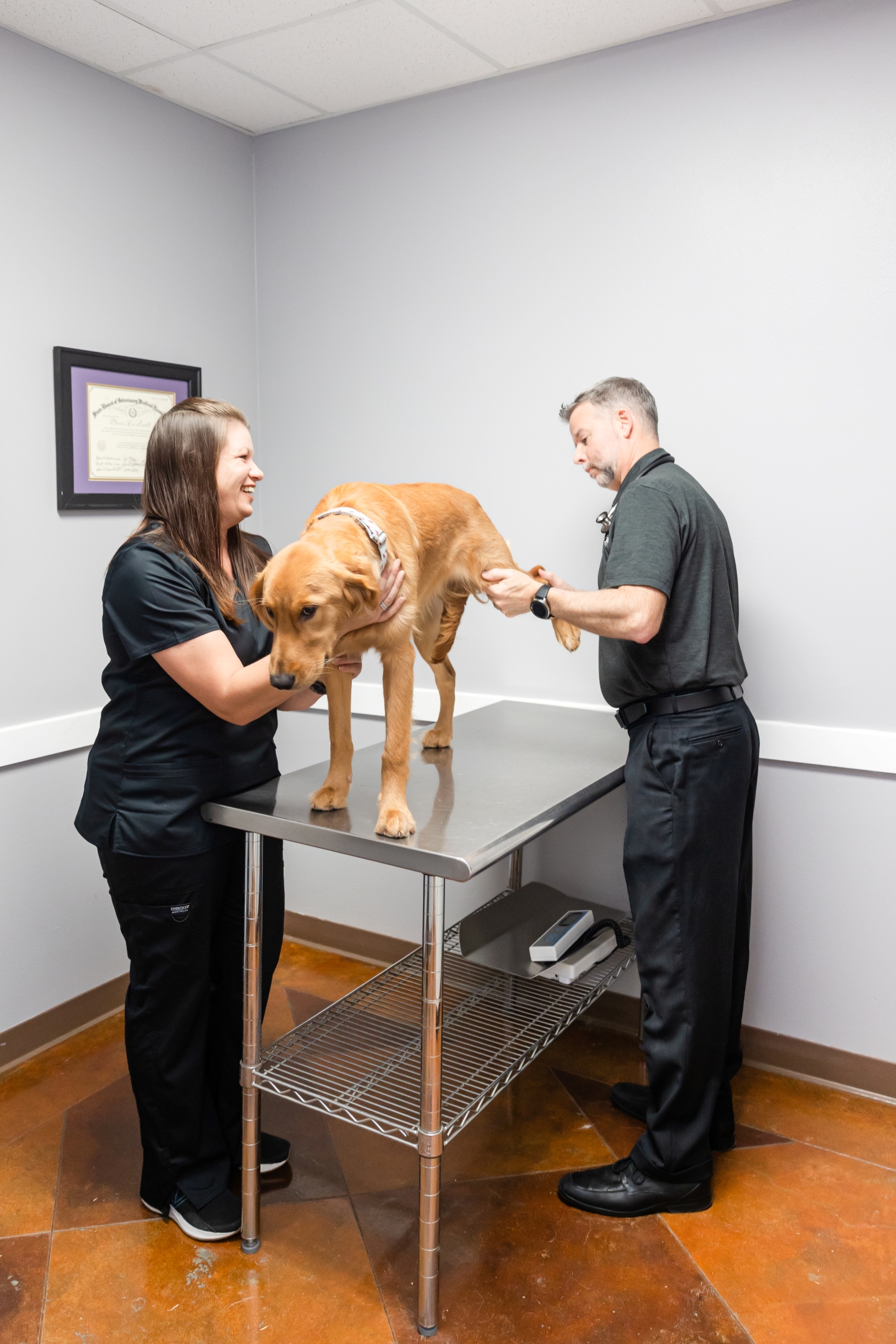
Owners who have relied on Prairieville Animal Hospital often recount visits that began with routine vaccines and turned into thoughtful planning for ongoing wellness. One family described a senior dog whose mobility challenges were subtle at first. A routine exam revealed the early signs of orthopedic strain, and a gradual plan was put in place that included an updated exercise regimen, a dietary adjustment to support weight management, and a schedule for dental checks that kept the dog comfortable. The owner appreciated the clear communication and the way the team worked with them to implement changes gradually, measuring progress with simple metrics such as weight and activity level over several months.
Another family shared how boarding during a family vacation became easier after understanding the daily routine the clinic maintained for each pet. The staff ensured consistent feeding times, offered enrichment activities that matched the pet’s energy level, and provided a calm, predictable environment that helped the animal stay balanced while away from home. In these experiences you can sense a commitment to continuity, a sign that wellness at Prairieville Animal Hospital is not a random collection of services but a coherent program designed to protect health and comfort through the ups and downs of life.
The implications for long-term partnership
Choosing a veterinary practice is an ongoing decision. It’s not just about treatment when something goes wrong, but about a consistent, collaborative approach that helps you raise a healthy pet and a confident owner. Prairieville Animal Hospital positions itself as a partner you can rely on through years of veterinary care and the evolving needs of a pet’s life. The emphasis on prevention, the clarity of communication, and the practical options for care create a relationship that feels less transactional and more like a shared mission.
In a world where medical decisions can feel overwhelming, a clinic that explains options with clear terms and respects your time offers a kind of relief that is rare. You leave a visit with a plan that you can implement, and you know that if concerns arise, you have a local team ready to assist, listen, and adjust as needed. That sense of continuity can be as valuable as any specific treatment, especially as you navigate the complexities of aging, behavior, and life’s unexpected turns.
Closing thoughts on finding the right fit
Wellness is a journey you undertake with your pet, not a destination you reach with a single appointment. Prairieville Animal Hospital understands this truth and translates it into a practical, humane philosophy of care. It’s not about chasing the newest trend or gilding a glossy brochure with promises that sound good but don’t translate to daily life. It’s about steady, reliable care that respects your pet’s individuality and your family’s routines.
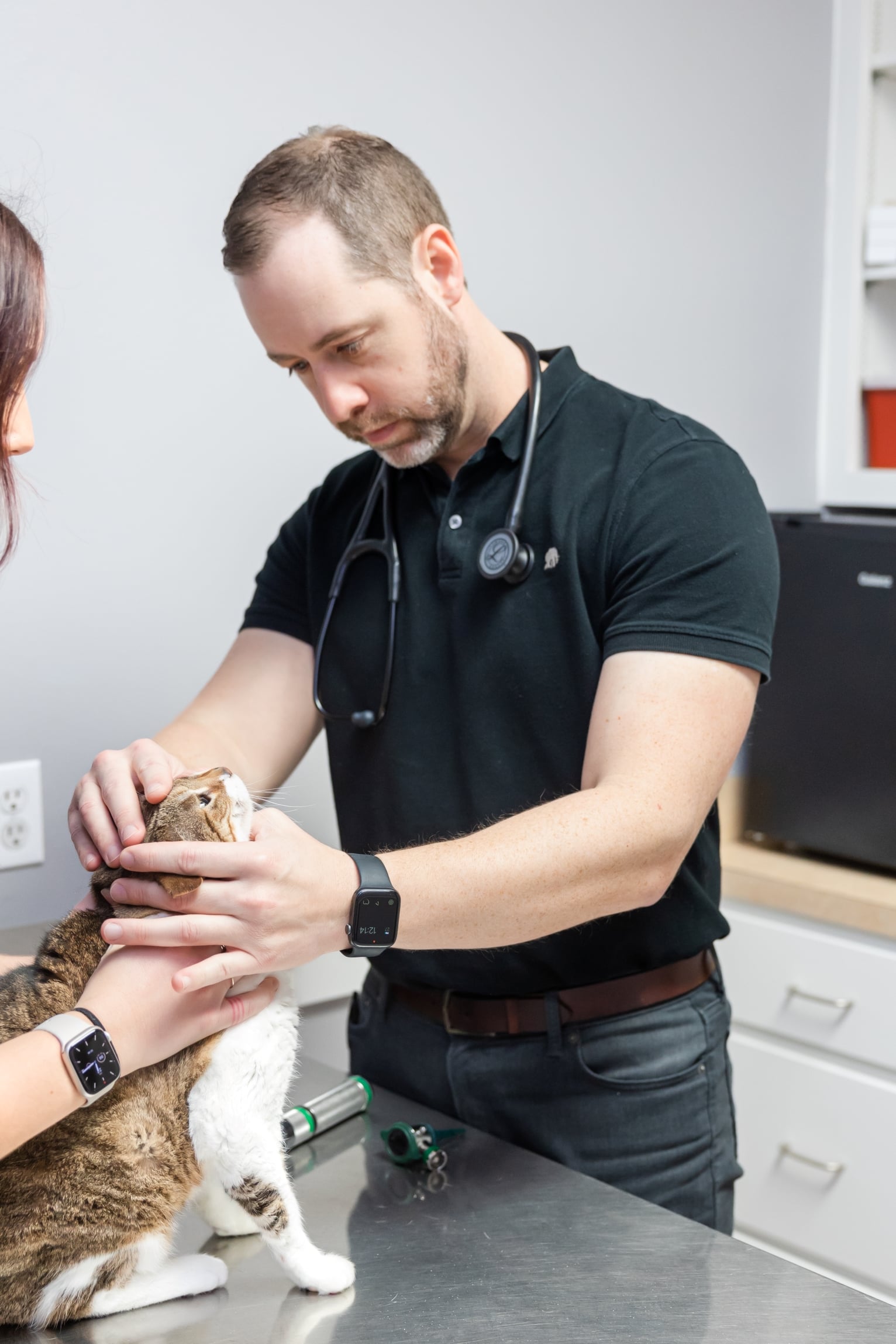
If you live near Prairieville and are looking for an animal clinic near me that blends medical rigor with accessible, compassionate care, this clinic stands out. The staff’s experience, their willingness to listen, and their grounded approach to preventive care and comprehensive treatment create a form of veterinary care that you can trust over time. The result is not a single moment of relief, but a long arc of better health, smoother routines, and a guardian-pet relationship that grows stronger as the years pass.
In the end, wellness is a partnership rooted in everyday decisions. It rests on honest conversations about what is practical, what is necessary, and what can wait until the next appointment. Prairieville Animal Hospital embodies that partnership, offering a reliable, thoughtful option for families who want veterinary care that respects both science and daily life. If you are looking for an anchor in your pet’s health journey, you may find it here, where expertise and empathy converge to keep tails wagging, whiskers twitching with curiosity, and calm certainty in times of worry.